What Is AML and How Do You Check Cryptocurrency?
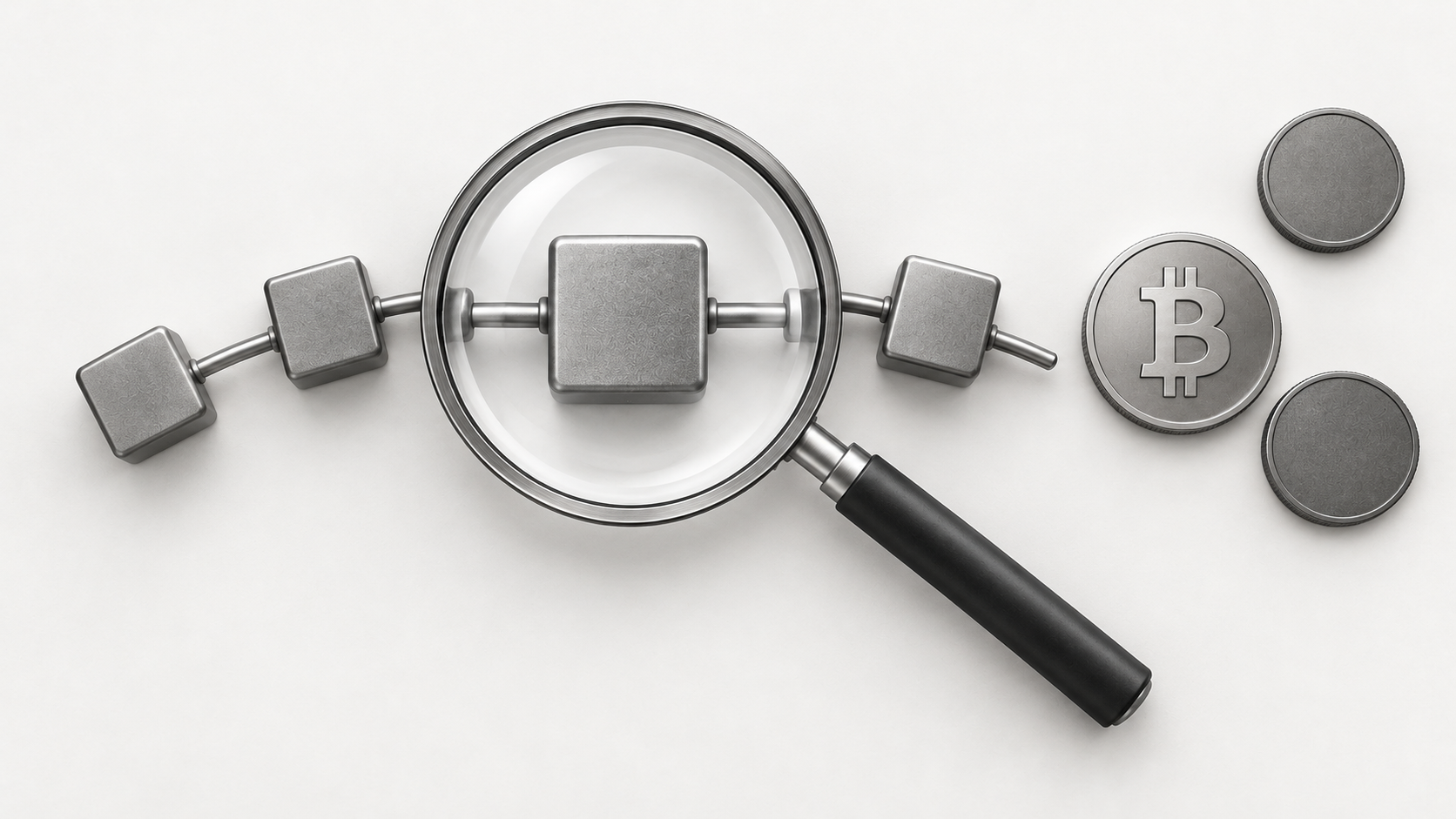
Receiving cryptocurrency in your wallet and having it credited to your exchange account are two separate steps. A transfer may go through on the blockchain, yet the receiving service may still question where the funds came from. This is especially likely if the transaction history is linked to fraud, theft, or other risky sources.
A crypto AML check helps you assess these links in advance. It shows what risks the analytics system identifies in an address's history and what to look into before a transaction.
With Hinadex, you can check a crypto address for AML risk. The automated check provides a risk score from 0 to 100 and information about the sources of funds.
What Does AML Mean in Plain English?
AML stands for Anti-Money Laundering. It covers measures that help detect attempts to use the financial system to move criminal proceeds and disguise them as legitimate funds.
AML involves several processes: checking customers, analyzing transactions, assessing the origin of funds, and investigating suspicious activity. In cryptocurrency, this includes analyzing addresses and their transfer history on the blockchain.
In everyday use, an “AML wallet check” usually means something more specific: analyzing a particular blockchain address. This type of check helps assess its links to known sources of risk.
How Does a Crypto AML Check Work?
Public blockchains make it possible to trace funds moving between addresses. Analytics systems compare transactions with the data they have collected, such as addresses belonging to exchanges, fraudulent projects, sanctioned organizations, or services linked to illegal activity.
A check may consider both direct and indirect links. A direct link means the address interacted with a flagged source itself. An indirect link means there were other addresses in between. That is why looking at the most recent transfer alone may not be enough to assess the history of the funds.
An analytics report depends on the available data. It helps identify signs of risk but does not, by itself, establish wrongdoing by the address owner.
What Does an Address Check Show?
A Hinadex AML report shows a risk score, a description of the risk level, categories of fund sources, and an indication of whether the address is on a blacklist. These details help explain the overall assessment.
The assessment helps you identify which aspects of a transaction need attention and what further information to request. To see how the results are presented, you can open a sample Hinadex AML report before running a check.
The final number alone does not tell the whole story. It helps to understand which categories affected the result and what is known about the origin of the transfer.
What a Hinadex AML Report Looks Like: Two Examples
The Hinadex website has two demo reports. They use fictional data, do not refer to real addresses, and help you understand the results before checking your own wallet.
A Low-Risk Example
The sample low-risk report has a risk score of 18%. It lists the following sources of funds:
- exchange — 65%;
- online wallet — 20%;
- payment service — 10%;
- mining — 5%.
It also shows that the address was not found on any blacklists.
This example illustrates a report where no significant links to high-risk sources have been detected. A low score alone does not guarantee that every platform will accept a transfer without asking further questions.
A Critical-Risk Example
The sample high-risk report has a risk score of 82%, with the level marked as critical. The fictional data shows links to the following categories:
- darknet marketplace — 40%;
- mixer — 20%;
- exchange — 18%;
- fraud — 12%;
- stolen funds — 10%.
A separate indicator shows that the address is on a blacklist.
Comparing the two examples shows why a report includes categories of fund sources: they provide context for the overall risk score.
When Should You Run a Crypto AML Check?
A check is especially useful when you are receiving a transfer from someone for the first time or do not know where the funds came from.
For example, someone offers to pay you in cryptocurrency for your work. You have never received money from this person before and do not know their wallet's history. You can check the sender's address with Hinadex before the transfer.
It also makes sense to assess an address before an exchange, when buying cryptocurrency from a new seller, or after receiving an unexpected transfer. This helps you identify points that may need clarification before questions arise during transaction processing.
How Is AML Different from KYC?
KYC stands for Know Your Customer. It is a process for establishing a user's identity. AML covers a broader set of measures, including transaction analysis and checks on the origin of funds.
Address screening and identity verification complement each other. The owner's documents do not explain the full history of the cryptocurrency, while an address report cannot replace information about the customer. The Hinadex AML/KYC policy explains when verification may be required and which documents may be requested.
How to Read an AML Risk Score
A risk score is a guide for investigating an address further. It does not represent the percentage chance of a transfer being blocked. For example, a score of 40 out of 100 should not automatically be read as a “40% chance that an exchange will stop the transfer.”
You can find descriptions of the risk levels in the Hinadex AML policy. A preliminary address report is for information purposes and does not replace an assessment of a specific transaction.
A low score should not be treated as blanket approval for every transaction. The receiving platform assesses transfers under its own rules, and information about addresses may change.
If the result raises questions, review the risk categories and the circumstances in which you received the funds. Keep documents that explain the transaction, such as a contract, invoice, purchase confirmation, or messages exchanged with the sender. They help establish context that blockchain history alone cannot provide.
Where to Run an AML Check: Hinadex
Hinadex offers an online crypto address check to help you assess an address's history before an exchange or another transaction.
You receive a risk score from 0 to 100 and information about the sources of funds. This gives you a specific report to work with instead of assumptions about where the cryptocurrency came from.
Open the service page and follow the instructions in the form. Before starting, make sure you are checking the correct address, then review the results in the context of your planned transaction. If you have questions about using the service, contact support through the official Hinadex contact channels.
Frequently Asked Questions About AML Checks
Does an AML Check Guarantee That a Transfer Will Be Accepted?
No. The report helps assess risks, but the platform receiving or processing the transaction makes its own decision under its own rules.
Can I Check an Address Before Receiving Cryptocurrency?
Yes, if you know the address the transfer is expected to come from. However, the sender may use a different address, so you need to consider the preliminary result in relation to the actual transaction.
Does High Risk Mean the Wallet Owner Is a Scammer?
No. The score reflects detected signs of risk and links in the transaction history. More information is needed to draw conclusions about a particular person and the circumstances of a transaction.
Does a Check Change the Cryptocurrency's History?
No. An AML check analyzes the available data. It does not delete earlier transactions or change the origin of the funds.
Take a look at the address's history before your next transaction. Run an AML check with Hinadex to assess the risks before an exchange.
